June 26, 2026
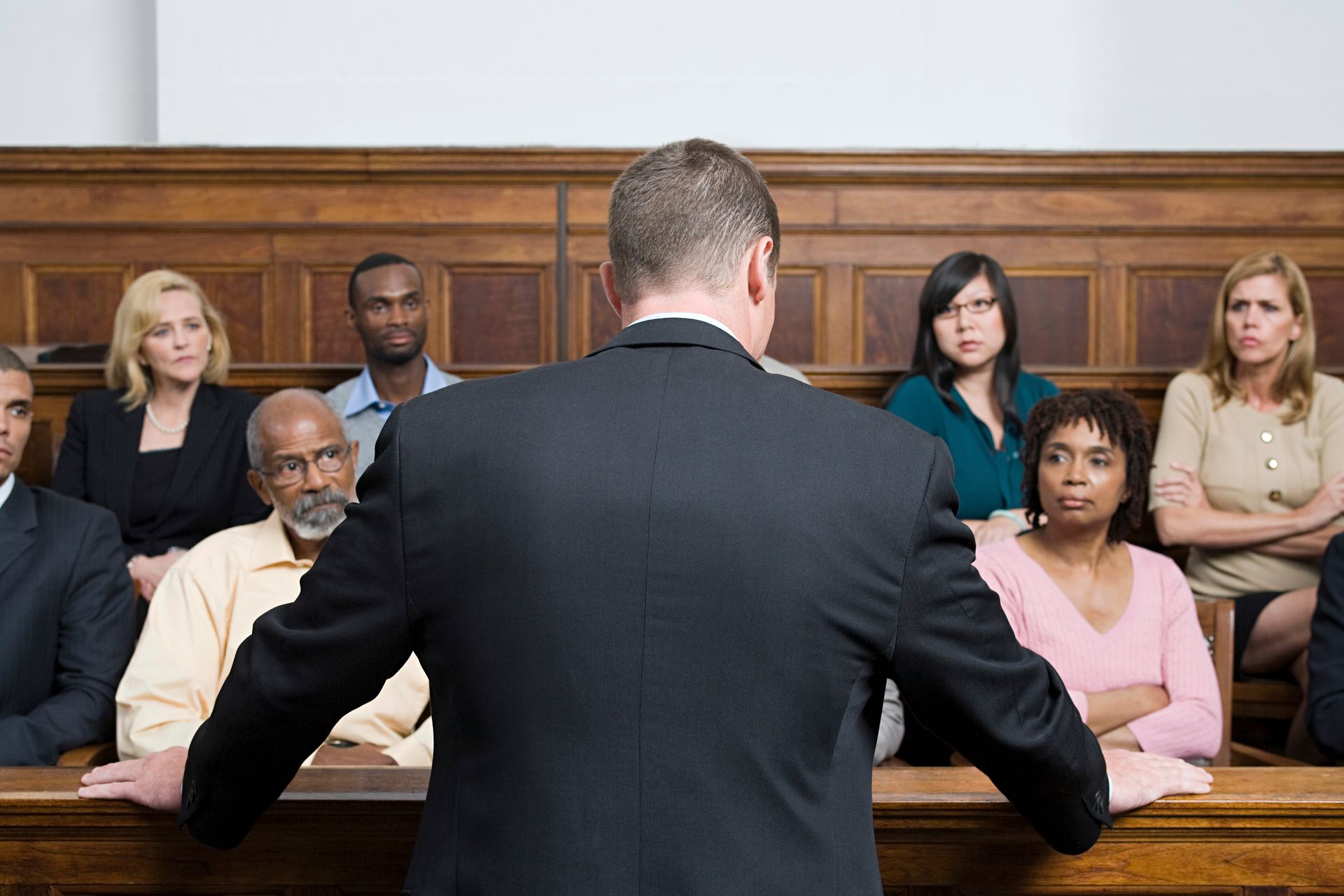
The American legal system is frequently depicted in popular media as a series of dramatic courtroom showdowns, where twelve citizens ultimately decide a defendant's fate. However, the reality of the contemporary criminal justice system diverges sharply from these television portrayals. A vast majority of criminal matters are resolved long before a panel of jurors is ever impaneled. Working closely with a skilled criminal lawyer reveals that the modern courthouse functions less as an arena for trials and more as a venue for negotiation, administrative filtering, and procedural resolution.
Examining Statistical Realities of Criminal Prosecution
When individuals are arrested, they often prepare themselves for an impending trial, yet data indicate this step is rare. The reliance on full trials has systematically decreased over the past several decades, replacing public arguments with behind-the-scenes legal determinations. According to the Pew Research Center, a staggering 98% of federal criminal defendants never see a jury and instead resolve their cases through plea agreements or dismissals. State-level courts mirror these statistics closely, with only a small fraction of felony charges reaching a formal trial phase.
This statistical reality highlights how the justice system prioritizes speed and finality over lengthy courtroom battles. The systemic framework is fundamentally constructed to process thousands of cases annually, an objective that would collapse if every individual requested a full trial. Consequently, the primary objective of a defense attorney shifts from convincing twelve jurors to evaluating the strength of state evidence during early procedural hearings.
Understanding the Mechanics of Plea Bargaining
Plea bargaining stands as the primary mechanism responsible for keeping the vast majority of criminal allegations out of the courtroom. In a plea negotiation, the prosecution offers the defendant an option to plead guilty to a lesser charge or to the original charge with a guaranteed lenient sentence in exchange for waiving their constitutional right to a jury trial. This process requires a highly strategic evaluation by a criminal lawyer, who must balance the inherent risks of a trial against the certainty of a negotiated outcome.
Homeowners, professionals, and citizens from all walks of life choose plea agreements for several distinct reasons:
- Sentence Predictability:Defendants avoid the maximum statutory penalties that judges frequently impose after a conviction at trial. Knowing the exact outcome ahead of time eliminates the terrifying uncertainty of a jury's unpredictable verdict.
- Expense Reduction:Prolonged litigation requires extensive financial resources for expert witnesses, private investigators, and daily attorney fees. Resolving the matter early allows individuals to protect their life savings and keep their financial future secure.
- Stress Mitigation:Resolving a matter within a few months minimizes the ongoing emotional toll inflicted upon the defendant and their family members. Moving past the legal crisis quickly allows everyone involved to focus on rebuilding their personal and professional lives.
While critics argue that plea bargaining sometimes pressures individuals into admitting guilt, it remains an indispensable logistical tool that prevents the entire judicial network from entering a state of permanent gridlock.
Analyzing Case Dismissals and Pretrial Interventions
Not all matters that avoid a jury end in a conviction or a guilty plea. A substantial volume of criminal arrests conclude with a complete dismissal of charges before a trial date is ever scheduled. These dismissals typically occur when a criminal lawyer aggressively challenges the constitutional validity of the state's initial investigation, the gathering of evidence, or the arrest procedure itself.
Common legal foundations that lead directly to the pretrial dismissal of charges include:
- Illegal Searches and Seizures:If law enforcement officers gather evidence without a valid warrant or a lawful exception, the court excludes that evidence entirely. Suppressing this compromised evidence often destroys the core of the state's case, leaving prosecutors with no way to move forward.
- Insufficient Prima Facie Evidence:The prosecution must demonstrate at a preliminary hearing that enough credible facts exist to justify a full trial. When a judge determines that the state's initial presentation lacks substance, the charges are dismissed before the case ever reaches a courtroom.
- Violations of Speedy Trial Rights:The Constitution requires the state to bring a defendant to court within a specific timeframe, and failing to do so results in an immediate dismissal. This crucial rule protects individuals from languishing under the cloud of a pending prosecution for an unreasonable length of time.
In addition to outright dismissals, many jurisdictions utilize pretrial intervention programs. These diversionary options allow first-time offenders to complete community service, pay restitution, or undergo counseling in exchange for the clean eradication of their criminal records, avoiding the trial process entirely.
Evaluating Constitutional Violations and Evidentiary Issues
The strength of a prosecutor's case depends entirely on the admissibility and reliability of the evidence collected by law enforcement. When a criminal lawyer uncovers structural flaws in the state's investigative file, the likelihood of a trial decreases dramatically. Investigators must adhere strictly to established procedural rules, and any misstep can fatally compromise the viability of the prosecution's entire file.
For example, if officers fail to properly advise a suspect of their Miranda rights during a custodial interrogation, any subsequent statements made by the accused face total suppression. Similarly, if the chain of custody for physical evidence like biological samples or electronic data is broken, that evidence becomes unreliable in the eyes of the law. When faced with the loss of critical evidence through successful defense motions, prosecutors will typically choose to dismiss the remaining charges or offer a highly favorable plea deal rather than risk a public loss in front of a jury.
Recognizing Tactical Pressures in the Court System
The strategic decisions made by both prosecutors and defense attorneys are heavily influenced by resource limitations and systemic pressures. Prosecutors manage exceptionally high caseloads, which forces them to allocate their limited time and investigative assets to the most severe or high-profile offenses. Taking a single case through a complete jury trial requires weeks of meticulous preparation, brief writing, witness preparation, and in-court presentation.
An experienced criminal lawyer also faces tactical calculations when advising clients on whether to proceed to a trial. Judges possess wide discretion during sentencing, and individuals who reject favorable plea offers only to be convicted by a jury regularly receive significantly harsher penalties. This disparity, often referred to in legal circles as the "trial penalty," serves as a powerful deterrent to exercising the right to a jury trial, forcing many defendants to opt for negotiated certainty.
Securing Expert Legal Representation for Criminal Matters
Navigating the complex landscape of criminal charges requires an intimate understanding of the procedural forks in the road that occur long before a jury is selected. A knowledgeable criminal lawyer evaluates every component of an arrest, identifies structural weaknesses in the prosecution's evidence, and positions their client for the most favorable resolution possible. Whether through securing an outright dismissal, negotiating an advantageous plea agreement, or executing a diversionary program, experienced legal counsel ensures your rights remain fully protected throughout the entire judicial trajectory.
When you or a loved one faces the daunting prospect of criminal prosecution, you need a proactive legal advocate who can aggressively pursue every available pretrial remedy. Protecting your freedom, your professional reputation, and your long-term future demands immediate, strategic action from a firm dedicated to achieving successful resolutions during municipal and criminal defense litigation. For dependable counsel, meticulous case preparation, and zealous advocacy during every phase of your legal journey, turn to Kavanagh & Kavanagh Law Office.